
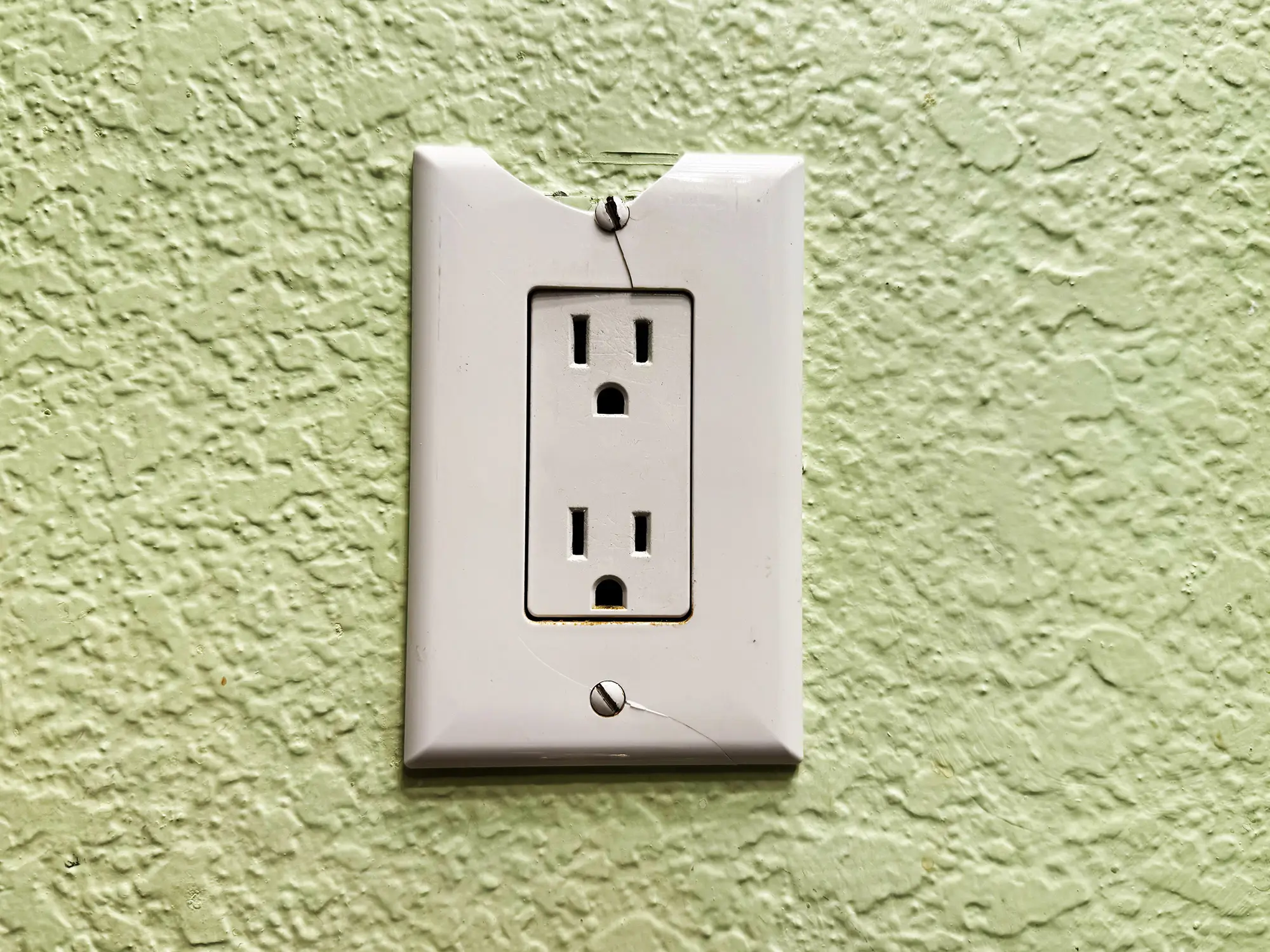
Electrical outlets are one of the most frequently used components in any home, yet they are often overlooked until something goes wrong. Whether an outlet is loose, damaged, outdated, or no longer meets modern electrical code, replacing it is not just a cosmetic upgrade—it is a safety-critical improvement. For homeowners, understanding the outlet replacement process helps set clear expectations and ensures the work is completed correctly and safely.
Below is a step-by-step overview of how a professional outlet replacement job is typically handled.
1. Initial Assessment and Safety Check
Every outlet replacement begins with an on-site evaluation. A licensed electrician will inspect the existing outlet, the electrical box, and the surrounding wiring. This step is critical, as outlet issues are often symptoms of deeper problems such as:
- Worn or brittle wiring
- Loose or improperly terminated connections
- Overloaded circuits
- Outdated two-prong outlets without grounding
- GFCI or AFCI code compliance issues
In many older homes, electricians frequently encounter aluminum wiring or non-grounded systems, which require special handling. Before any work begins, power to the outlet is safely shut off at the breaker panel.
2. Identifying the Correct Outlet Type
Not all outlets are the same. Part of the replacement process involves selecting the correct outlet based on the location and intended use. Common outlet types include:
- Standard 15- or 20-amp outlets for living areas and bedrooms
- GFCI outlets for kitchens, bathrooms, garages, basements, and outdoor areas
- Tamper-resistant outlets, now required by electrical code in most residential spaces
- USB or smart outlets for modern convenience
Naperville homes must meet both National Electrical Code (NEC) standards and local municipal requirements, so proper outlet selection is essential for compliance and safety.
3. Removing the Old Outlet
Once the correct replacement outlet is chosen, the electrician carefully removes the existing outlet from the electrical box. This includes inspecting wire insulation, checking for heat damage, and ensuring the electrical box itself is secure and appropriately sized.
If any wiring issues are discovered—such as scorched conductors or loose connections—they are corrected before the new outlet is installed. Skipping this step can lead to recurring failures or fire hazards.
4. Installing the New Outlet
The new outlet is installed using proper torque and termination techniques to ensure solid, long-lasting connections. Grounding is verified, polarity is checked, and all wiring is neatly positioned within the box to prevent pinching or stress.
For GFCI or AFCI outlets, the electrician confirms correct line and load connections and tests the device to ensure it trips and resets properly.
5. Testing and Final Inspection
After installation, power is restored and the outlet is thoroughly tested using professional-grade equipment. This ensures:
- Correct voltage
- Proper grounding
- Secure connections
- Code compliance
The electrician will also verify that the outlet cover plate is flush, level, and free of gaps—details that matter both for safety and appearance.
6. Cleanup and Homeowner Guidance
A professional outlet replacement job concludes with a clean workspace and a brief explanation for the homeowner. This may include guidance on:
- Safe usage of the new outlet
- Resetting GFCI outlets if they trip
- Signs of future electrical issues to watch for
For homeowners planning renovations or electrical upgrades, this is also an opportunity to discuss additional improvements that could enhance safety or convenience.
Why Professional Outlet Replacement Matters
While outlet replacement may seem straightforward, improper installation can lead to electrical shocks, damaged appliances, or even fires. Hiring a qualified electrician ensures the job is done correctly, safely, and in compliance with Naperville’s electrical codes.
If you are experiencing loose outlets, frequent tripping, discoloration, or simply want to modernize your home’s electrical system, a professional outlet replacement is a small investment with significant safety benefits.